




You found our 10 team bonding activities for professional development guide

Most team bonding activities feel like a chore. Your team sits through these activities, checks their phones, and counts down the minutes until they can get back to work.
But what if team bonding activities actually developed professional skills? What if the same activities that brought your team closer together also made them better at their jobs?
This is exactly what team bonding activities achieve. They’re structured experiences that build specific workplace skills while creating genuine team connections and delivering results in both team cohesion and professional growth.
Before we explore specific activities, let’s address why combining team bonding with professional development works so well.
Traditional training often fails because people learn in isolation. Someone attends a workshop, learns a framework, then returns to work where nobody else knows or uses what they learned. The new skills die quickly.
But when teams learn together through shared experiences, several things happen. Everyone speaks the same language about new concepts. Team members can support each other in applying new skills. The shared experience creates accountability. And most importantly, learning together builds team culture around continuous improvement.
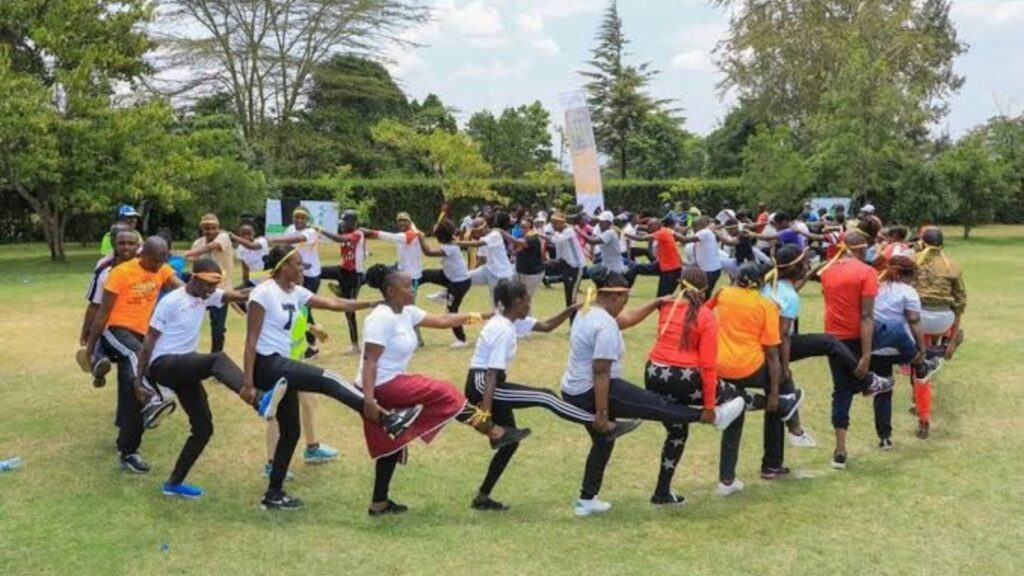
Strong communication separates high-performing teams from average ones. This activity develops communication skills while building trust and cooperation.
How it works: Teams navigate obstacle courses where communication is the main challenge. Team members might be blindfolded while others guide them verbally. Or teams must move objects without touching them, coordinating only through words. Some challenges restrict who can speak, forcing quieter team members to lead.
YellowLyfe designs these courses with increasing difficulty. Early challenges are straightforward and build confidence. Later challenges require sophisticated communication strategies the team develops together.
After each challenge, facilitators lead debriefs discussing what communication approaches worked, what failed, and why. Teams identify patterns in how they communicate and practice specific improvements in subsequent challenges.
Professional skills developed: Clear instruction giving, active listening, asking clarifying questions, communicating under pressure, adapting communication styles to different situations, and giving constructive feedback.
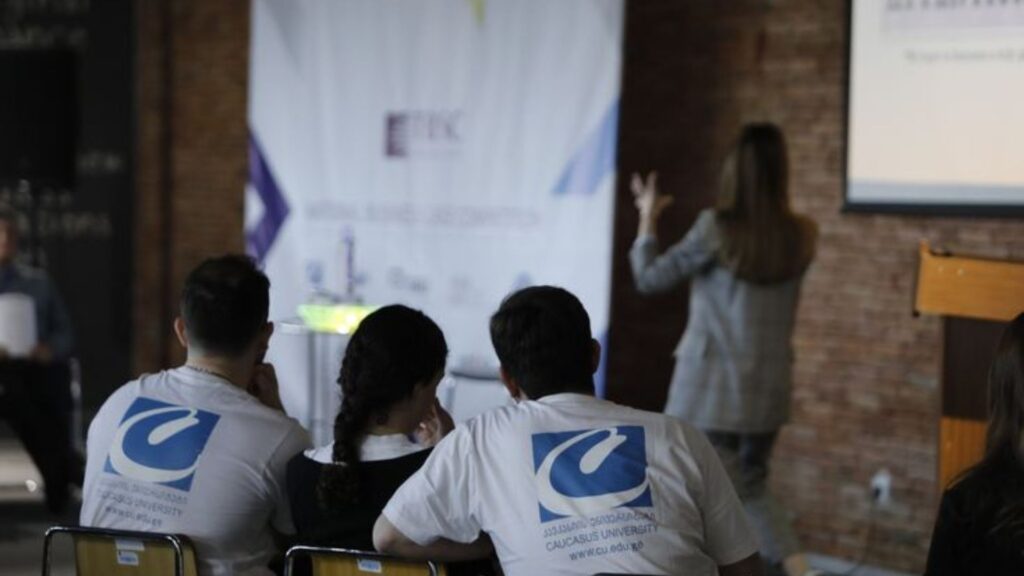
This activity combines analytical thinking, strategic planning, and presentation skills while encouraging healthy team competition.
How it works: Teams receive real business case studies relevant to their industry. They might analyze a company’s market entry strategy, evaluate a product launch, or recommend solutions to operational challenges.
Teams have 2-3 hours to research, analyze, develop recommendations, and prepare presentations. Each team presents to judges (senior leadership, external experts, or clients). Judges evaluate analysis quality, strategic thinking, presentation effectiveness, and practical feasibility.
YellowLyfe customizes cases to your industry and organizational challenges. Sometimes we use actual problems your company faces, turning the activity into genuine problem-solving.
Professional skills developed: Analytical thinking, strategic planning, research skills, working under time pressure, collaboration, presentation delivery, defending ideas under questioning, and business acumen.
Negotiation skills apply everywhere, like closing deals, managing vendors, resolving conflicts, or requesting resources. This activity develops negotiation capabilities through repeated practice.
How it works: Teams engage in structured negotiation scenarios with competing interests. One team might represent buyers and another sellers. Or teams negotiate resource allocation between departments with different priorities.
Each scenario has confidential information only one side knows, mimicking real negotiations where information asymmetry exists. Teams must discover information, understand the other side’s interests, create value, and reach agreements.
Multiple rounds allow teams to try different approaches. Facilitators teach negotiation frameworks between rounds, then teams immediately apply the concepts in the next scenario.
Professional skills developed: Negotiation strategy, understanding interests versus positions, creating win-win solutions, reading non-verbal cues, managing emotions in tense situations, building rapport, and closing agreements.

Project management skills help everyone, not just project managers. This hands-on activity teaches project management fundamentals through competitive challenges.
How it works: Teams manage simulated projects with limited time and resources. They might plan events, design products, or solve logistical challenges. Each project has specific requirements, constraints, and success criteria.
The relay format means different team members manage different project phases like planning, execution, monitoring, and closing. They must hand off clearly to the next person, just like real project transitions.
YellowLyfe introduces realistic complications during execution like budget cuts, resource changes, scope creep, or stakeholder demands. Teams practice adapting plans while maintaining progress toward goals.
Professional skills developed: Project planning, resource allocation, time management, risk assessment, delegation, progress monitoring, stakeholder management, and handling changes.

Most professionals fear public speaking, yet it’s essential for career advancement. This activity builds presentation skills in a supportive team environment.
How it works: Teams learn presentation frameworks from expert facilitators, like structuring content, designing slides, using body language, managing nerves, and engaging audiences.
Then everyone practices. Each person delivers short presentations to their team on assigned topics. Teams provide supportive feedback using specific frameworks. As confidence grows, presentations happen before larger groups.
The key is creating psychological safety where mistakes are learning opportunities, not embarrassments. YellowLyfe’s facilitators create environments where even the most nervous presenters find courage.
Professional skills developed: Presentation structure, slide design, vocal variety, body language, storytelling, handling questions, managing anxiety, and receiving feedback gracefully.

Innovation comes from teams that think creatively together. This activity develops creative problem-solving while breaking down barriers to innovation.
How it works: Teams face unusual problems requiring creative solutions. Maybe they must design a product using only random materials provided. Or develop marketing campaigns for impossible-to-sell items. Or solve hypothetical business challenges with strict constraints.
The problems are intentionally absurd at first to break people out of conventional thinking. Later challenges become more realistic but still require creative approaches.
Facilitators teach creative thinking frameworks between challenges like brainstorming rules, lateral thinking techniques, prototyping methods, and innovation processes. Teams immediately apply these frameworks to subsequent challenges.
Professional skills developed: Creative thinking, brainstorming effectively, building on others’ ideas, prototyping and iteration, thinking beyond obvious solutions, and managing fear of looking foolish.

Data literacy matters across all roles now. This activity teaches data interpretation and communication through engaging competition.
How it works: Teams receive datasets related to their industry like sales figures, customer feedback, market research, or operational metrics. Their challenge is to analyze the data, find insights, and present findings clearly to non-technical audiences.
Some teams might get sales data and have to identify trends and recommend actions. Others analyze customer complaints to suggest service improvements. Different teams work with different datasets and then present to everyone.
YellowLyfe provides basic training in data visualization, statistical interpretation, and insight communication. Teams apply these skills immediately to their datasets.
Professional skills developed: Data interpretation, identifying patterns, using visualization tools, translating data into business recommendations, presenting technical information to non-technical audiences, and evidence-based decision-making.
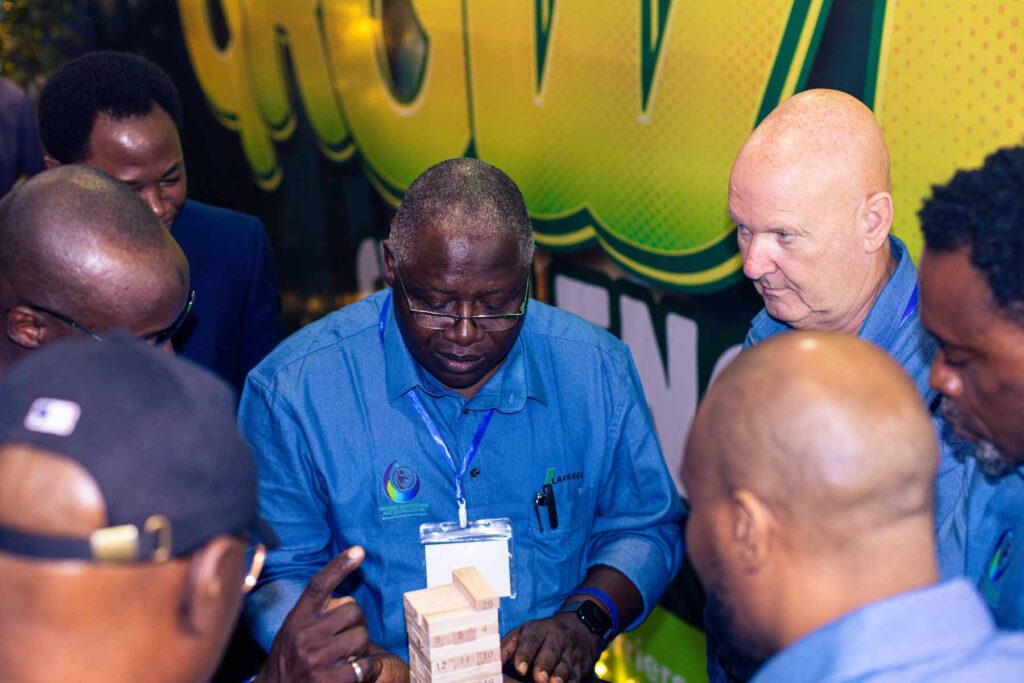
Understanding what colleagues in other departments actually do improves collaboration dramatically. This activity builds empathy and organizational knowledge.
How it works: Team members spend half-days shadowing colleagues from different departments. The salesperson shadows operations. The accountant shadows customer service. The IT professional shadows marketing.
This isn’t passive observation. Shadow participants actively help with tasks, ask questions, and document what they learn. Afterward, teams come together to share insights about different roles.
YellowLyfe structures these rotations with specific learning objectives. Participants receive guides on what to observe, questions to ask, and reflections to complete. Follow-up sessions help teams apply their new understanding to improve cross-departmental collaboration.
Professional skills developed: Understanding the full business operations, empathy for colleagues’ challenges, recognizing interdependencies, identifying collaboration opportunities, and systems thinking.
Every professional faces crises like angry clients, missed deadlines, system failures, or communication breakdowns. This activity develops crisis management skills in controlled environments.
How it works: Teams face simulated business crises requiring immediate response. Maybe a major client threatens to leave, a product defect affects customers, negative social media attention erupts. Or a key team member suddenly becomes unavailable before a crucial deadline.
Teams must assess situations quickly, make decisions with incomplete information, communicate to stakeholders, coordinate responses, and solve problems under pressure.
YellowLyfe designs scenarios based on real crises from your industry. We increase pressure realistically with new information arriving mid-response; stakeholders make demands, and time pressure intensifies. Facilitators observe how teams handle stress and provide feedback.
Professional skills developed: Working under pressure, quick decision-making, prioritization, crisis communication, emotional regulation, coordinating rapid responses, and learning from mistakes.

The best learning often comes from colleagues. This activity structures peer learning while building mentorship culture.
How it works: Team members identify expertise they can share and skills they want to develop. YellowLyfe creates a structured program where colleagues teach each other over several weeks.
Sessions are hands-on and practical. The Excel expert teaches advanced formulas through real work examples. The negotiation pro runs role-play scenarios.
Unlike one-time workshops, this extended program allows practice, feedback, and improvement. Participants apply what they learn to real work, then return to discuss challenges and refine approaches.
Professional skills developed: Teaching and training skills for those presenting, plus whatever specific skills are being taught and could be technical skills, soft skills, industry knowledge, or tool proficiency.
With ten team bonding activities perfect for professional development, how do you choose which ones to use?
YellowLyfe helps organizations choose and customize team-bonding activities perfect for professional development based on specific team needs, industry context, and development goals.
The question isn’t whether your team needs professional development; the question is whether you’ll approach development in ways that also strengthen team bonds or as separate, disconnected efforts.
YellowLyfe makes this easy. We design, organize, facilitate, and follow up on team-bonding activities perfect for professional development customized for your team’s specific needs. You focus on your business; we handle creating experiences that develop your team’s skills and strengthen their connections.
Don’t wait for skill gaps to become performance problems or for weak team bonds to create collaboration failures. Build strong foundations now through team bonding activities perfect for professional development designed specifically for professionals.


