
The event production industry is changing fast. Audiences expect more than lights, décor, and a stage. They want experiences that feel intentional, immersive, and worth their time. Brands want measurable impact. Attendees want convenience. Vendors want structure.
This guide breaks down everything you need to know about event production in 2026, from planning and technology to budgeting, safety, content, staffing, and post-event systems. This is your roadmap for producing events that stand out and stay organized from start to finish.
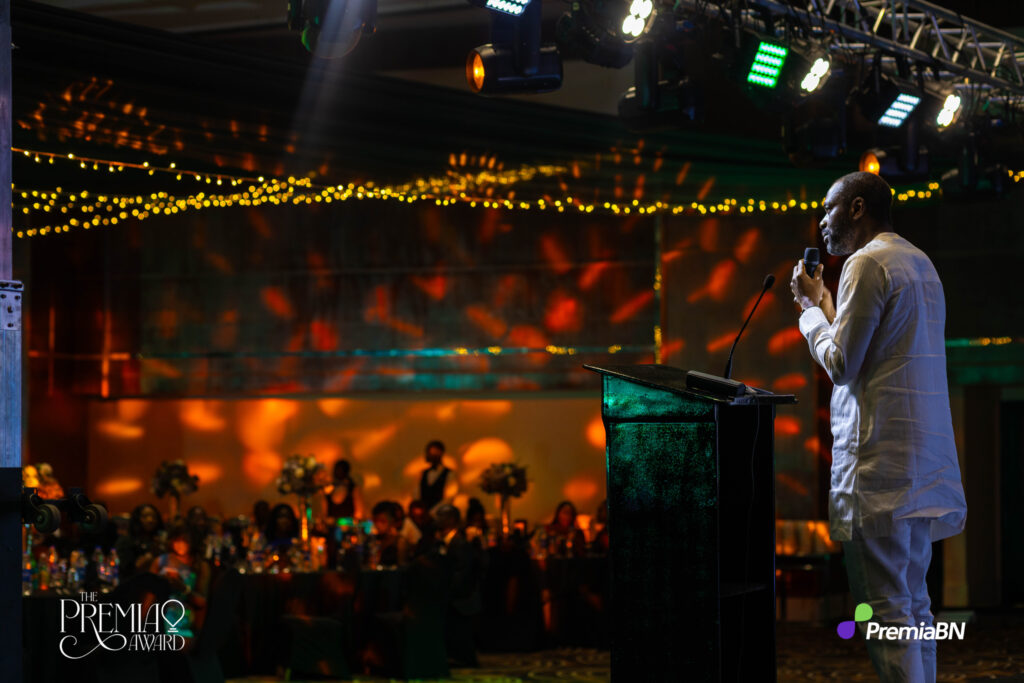
Event production combines creativity, operations, technology, media, guest experience, strategy, and coordination.
In 2026, event production now covers:
Today, the most successful events are the ones where production is handled with intention.
The world has changed, and so have attendees. Here’s what’s shaping events this year:
People want engagement, not long speeches or boring timelines. They want events that feel fresh, well-paced, and thoughtfully programmed.
From registration systems to digital check-ins, AI-powered guest management, and immersive LED screens, tech now defines a smooth event.
Attendance numbers alone don’t cut it. Businesses now measure ROI through content, conversions, leads, community growth, and brand impact.
With the rise of large-scale events in Lagos, Abuja, and other cities, safety, flow, and risk planning are now a major part of production.
Every event must produce recap videos, photos, interviews, usable social media content, and storytelling moments.
Every decision—venue, design, content, and program—connects back to your objective. Ask:
When your objective is clear, your event becomes easier to design.
In 2026, concepts need to be:
This is where you define the theme, tone, experience flow, stage design style, visual language, color palette, and the emotion your event should evoke.
A strong production plan includes:
You should know what needs to happen, when, and who is accountable.
For event production in 2026, the venue must match your vision. Consider:
Venue choice affects every other part of production.
Your event is only as good as your vendors. You’ll need:
Your production manager should lead vendor communication and maintain timelines.
A well-structured event program prevents boredom and delays.
Your timeline should include:
Avoid long speeches and unnecessary pauses; audiences tune out quickly.
In 2026, guest experience is everything. Things to consider:
People talk about how your event made them feel, not your vendor list.
These tools elevate your event instantly:
Tech makes events smoother, more interactive, and more measurable.
Your event must produce usable content. Non-negotiable deliverables include:
This is where YellowLyfe shines: events that look good in the room and online.
To close out your event properly:
This step is how you grow, maintain partnerships, and refine future events.
Here are trends already shaping Nigerian events:
Large screens, LED floors, and interactive visuals are becoming the standard.
Photo zones, interactive installations, and mini pop-up moments.
Not every guest attends physically; livestream options matter.
Attendance reports and engagement insights now influence event decisions.
Reusable materials, reduced waste, and eco-conscious gift packs.
People want intentional gatherings, not crowded rooms.
Budgets should include:
Events cost more in 2026 because quality expectations have risen, but the right production team makes every naira count.
Avoid these, and your event becomes instantly more professional.
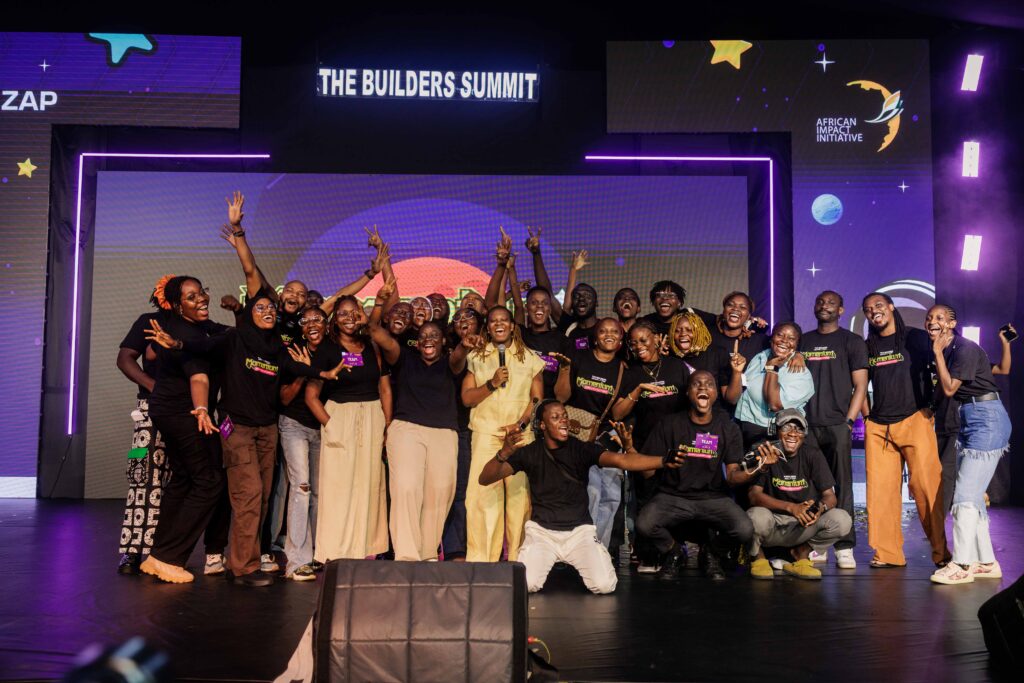
A good production team ensures:
This is where YellowLyfe stands out. We curate intentional storytelling, seamless coordination, and unforgettable experience design.
Event production in 2026 is all about intentional planning, immersive storytelling, and flawless execution. The brands that win are the ones that invest in creativity, structure, technology, and end-to-end guest experience.
If you want to create an event that is organized, memorable, and impactful, your production strategy needs to evolve, and this guide is the blueprint.