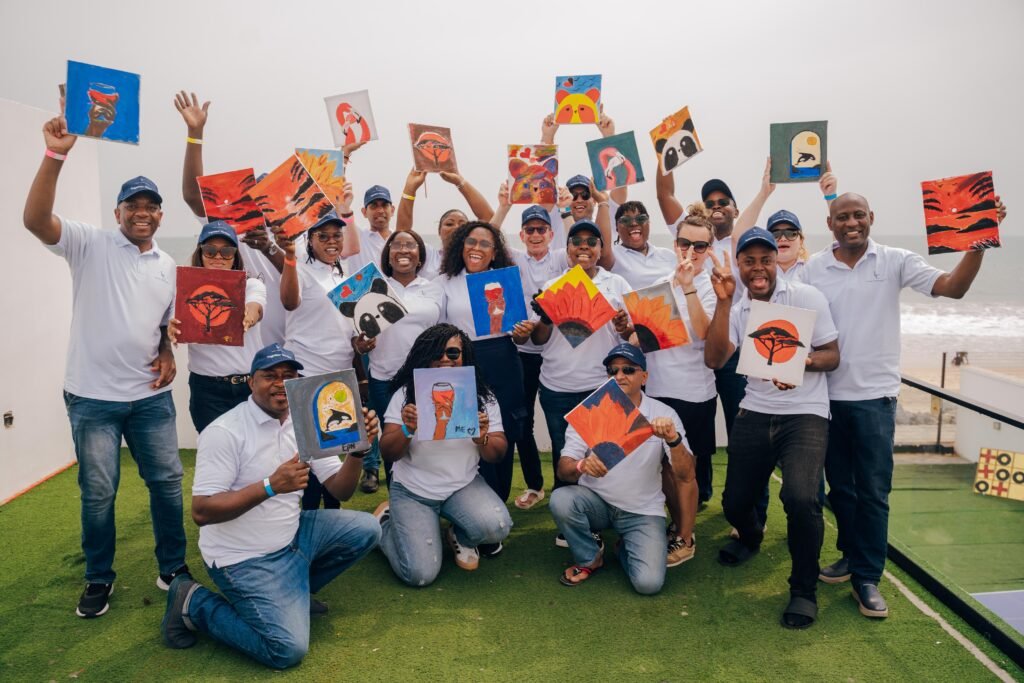

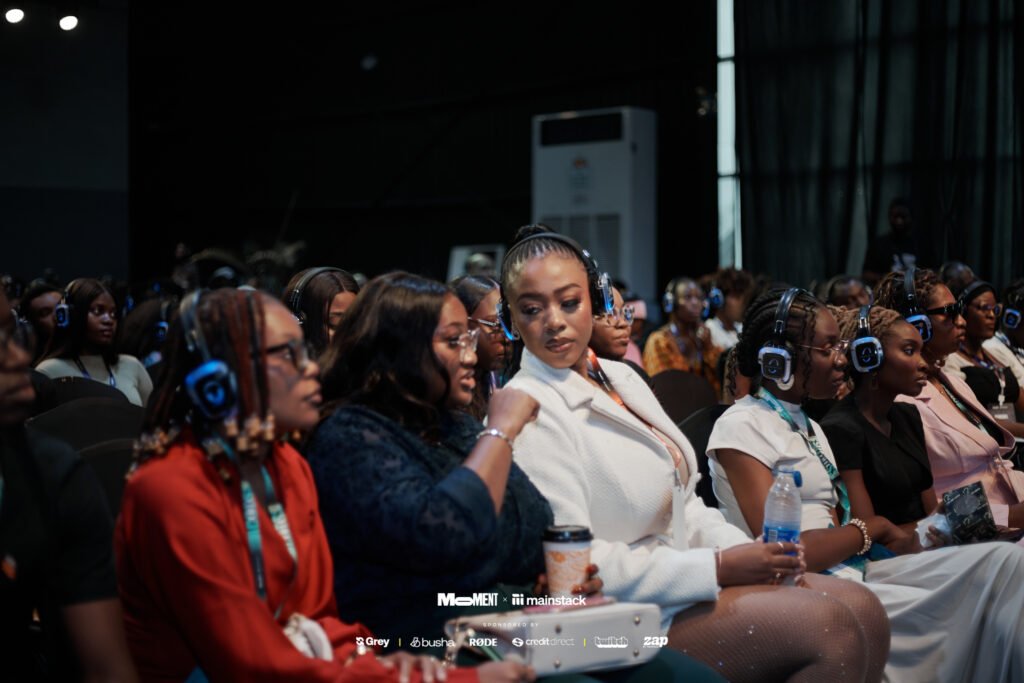

Most corporate events are planned backward. Someone picks a venue, books a caterer, sets a date, and starts thinking about whether anyone will enjoy being there.
That order is the problem. A good corporate event is not the result of good logistics. Logistics just make sure a good idea doesn’t fall apart. The actual experience comes from decisions most planning checklists skip entirely.
Here’s what separates an event people tolerate from one they genuinely enjoy.
Before choosing a theme, a venue, or a format, it’s worth asking a more basic question: who is this event for, and what do they need right now?
A team that’s been heads down on a brutal project for months needs something low effort and restorative. A sales team celebrating a record quarter wants energy and recognition. A mixed group of departments that barely interact needs something designed to actually put them in conversation with each other, not just in the same room.
Skip this step, and you get an event built for an imaginary average guest instead of the real people attending it.
A schedule tells people what’s happening and when. Flow is about how the event feels as it moves from one moment to the next.
Think about the emotional arc of the day. Does it open with energy or ease people in slowly? Is there a natural lull built in, not a lull by accident, but a deliberate pause where people can talk? Does the event build toward something, a reveal, a toast, a closing moment, or does it just stop when the time runs out?
Events that feel memorable almost always have a shape to them. Events that feel like a meeting with catering usually don’t.
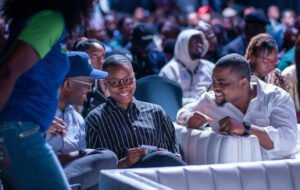
It’s tempting to fill every minute with programming, since empty time can feel like wasted planning. In practice, the opposite is often true.
Some of the best moments at any event happen in the gaps, the walk from one space to another, the wait before a session starts, the ten minutes before dinner is served. Overpack the agenda and you remove the exact windows where people actually connect instead of just attend.
A good rule of thumb: for every structured hour, build in at least ten to fifteen minutes with nothing scheduled. It rarely feels empty. It almost always gets used.
Guests rarely remember the keynote word for word. They remember whether the registration line moved quickly, whether there was somewhere comfortable to sit, whether someone noticed they didn’t have a drink.
These details tend to fall through the cracks specifically because they’re small, not urgent enough to show up on a planning document, but exactly the things people notice in the moment. Assign them to someone directly, rather than assuming they’ll get handled as a side effect of everything else running on time.
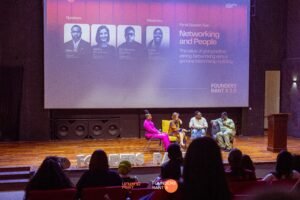
A larger budget buys more options, a nicer venue, better catering, more elaborate production. It does not automatically buy a better experience.
Some of the most memorable events are modest in scale but sharp in intention, a dinner for twenty people that gives everyone a chance to talk, a launch event with one well executed moment instead of five mediocre ones. Spending more without a clear reason behind each choice usually just produces a more expensive version of an average event.
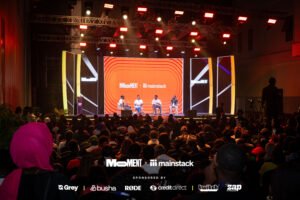
Many corporate events don’t actually end. They just gradually thin out until the venue needs to close. People trickle toward the door without quite knowing the night is over.
A deliberate close, a toast, a final announcement, even just the host saying a genuine thank you to the room, gives people a clear, satisfying sense that something happened here, rather than an evening that simply ran out of time.
Not whether everything ran on schedule. Whether people were still talking about it a few days later, and whether they’d actually want to come back to the next one.
At YellowLyfe, we build events around that measure specifically, the venue, the pacing, the small details, all working toward an experience people actually remember, not just attend.
Planning a corporate event? Reach out to us at on Instagram or send a mail to brands@yellowlyfe.com.