

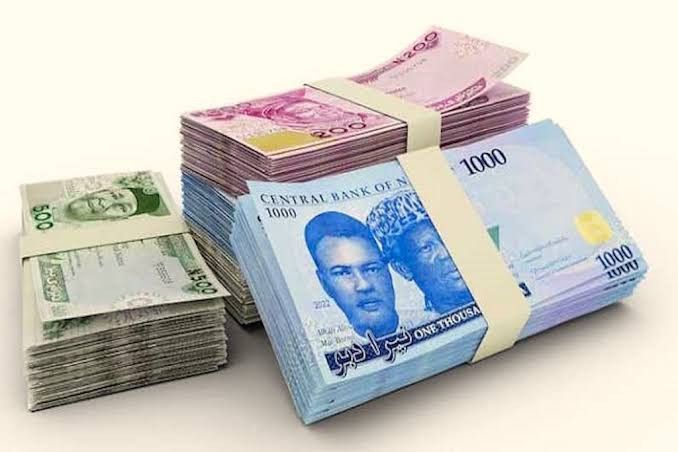


You found our guide on how to budget for a team bonding activity.

Many businesses struggle with how to budget for a team-bonding activity. They either spend too little and the activity feels cheap, delivering no value, or spend too much and can’t justify the expense, especially when budgets are tight.
This guide will show you exactly how to budget for a team bonding activity, why budgeting for team bonding actually matters, and how to allocate resources wisely for maximum impact.
Before we discuss numbers, let’s address why proper budgeting matters for team bonding activities.
1. Poor budgeting leads to poor experiences. When you underfund team bonding, you get half-hearted activities that make people feel their time was wasted. Your team notices when the company goes cheap on something meant to value them.
2. Good budgeting shows genuine investment in people. When you allocate appropriate resources to team bonding, it signals that leadership truly values employee wellbeing and team culture. This matters for morale and retention.
3. Smart budgeting maximizes impact per kobo spent. The goal is to spend the right amount on the right things to achieve your team bonding objectives. Strategic budgeting gets better results than just throwing money at activities.
4. Proper budgets get approved. When you present a well-thought-out budget that clearly connects costs to business outcomes, decision-makers are more likely to approve it.
The first step in how to budget for a team bonding activity is understanding all the costs involved. Many people only think about the obvious expenses and get surprised by hidden costs.
1. Activity costs are what most people think of first. This is what you pay the organizer, venue, or service provider for the actual team-bonding activity. Costs vary dramatically based on activity type, duration, and complexity.
2. Venue and space rental may be separate from activity costs. Some activities happen at your office for free. Others require renting event spaces, outdoor locations, or specialized facilities.
3. Transportation matters when your activity isn’t at your office. Will you provide buses to transport the team? Reimburse individual transport? Cover only fuel for those driving?
4. Food and beverages are often necessary, especially for activities lasting more than a few hours. Budget for breakfast, lunch, snacks, and dinner depending on timing.
5. Materials and equipment vary by activity type. Outdoor activities might need ropes, harnesses, or sports equipment. Creative activities need art supplies. Team competitions might require props or technology. These costs add up.
6. Professional facilitation makes activities more effective. Experienced facilitators cost more but deliver better results.
7. Photography and videography capture memories and create content for company communications.
8. Gifts and prizes if your activity includes competitions or you want to send people home with something memorable.
9. Lost productivity is a real but often ignored cost. When your team spends half a day or full day on team bonding, that’s time not spent on regular work. Factor this into your total cost calculation, especially when presenting to leadership.
10. Contingency for unexpected expenses. Always add a 10-15% buffer for surprises. The venue might charge for equipment you thought was included. More people might attend than planned. Weather might force indoor alternatives.
Understanding all these cost components helps you create realistic budgets and avoid awkward surprises mid-planning.

Once you know your total budget, how should you split it across different expense categories? Here’s a strategic approach to how to budget for a team bonding activity:
1. Activity and facilitation: 35-45% of budget. This is your core expense and where quality matters most. Don’t cheap out here. A well-facilitated activity delivers far more value than an expensive venue with a mediocre program.
2. Food and beverages: 20-30% of budget. Good food creates positive memories and shows you care. But don’t overspend on elaborate catering when simpler, quality meals work fine.
3. Venue and space: 15-25% of budget. The venue should be appropriate and comfortable, but it doesn’t need to be the most expensive space in Lagos. Prioritize accessibility, safety, and adequate facilities over prestige.
4. Transportation: 10-15% of budget. Provide transport if your activity is off-site. This eliminates attendance barriers and ensures everyone arrives together on time.
5. Materials, equipment, and extras: 5-10% of budget. Cover necessary supplies without going overboard on fancy extras that don’t improve the actual experience.
6. Documentation and gifts: 3-5% of budget. Nice to have but not essential. If the budget is tight, cut here first.
7. Contingency: 10-15% of budget. Always include a buffer for unexpected costs. If you don’t use it, great. If you need it, you’ll be grateful it’s there.
This allocation prioritizes what actually makes team bonding effective, like quality activities and facilitation, while ensuring comfort through adequate food and appropriate venues.

Learning how to budget for a team bonding activity includes knowing where you can save money smartly without reducing impact.
1. Host activities at your office or free venues. Many effective team bonding activities work perfectly in your conference room, parking area, or nearby public spaces. You eliminate venue costs entirely while keeping the team in a familiar environment.
2. Choose activities during off-peak times. Venues and service providers often offer better rates for weekday activities or off-season dates. If your team can do team bonding on a Thursday instead of Saturday, or in March instead of December, you might save 20-30%.
3. Bundle services with one provider. Companies like YellowLyfe that offer comprehensive team bonding services often provide better overall value than piecing together multiple vendors. You save money and coordination time.
4. Use internal facilitation for simpler activities. For straightforward team bonding, train enthusiastic team members to facilitate instead of hiring external experts. Save professional facilitation for more complex activities requiring specialized expertise.
5. Potluck or simplified catering. Instead of hiring expensive caterers, organize team potlucks where everyone brings food. Or use affordable local catering services instead of premium hotel catering.
6. Leverage company resources. Your company might already own equipment like projectors, speakers, sports equipment, or vehicles useful for team bonding. Use what you have before renting or buying.
7. Partner with other departments or companies. If multiple teams need bonding, combine resources for larger events with better per-person rates. Or partner with non-competing companies to share costs for certain activities.
8. Focus on half-day activities. Full-day events cost significantly more and aren’t always necessary. Well-designed half-day activities can deliver excellent results at 40-50% lower cost.
9. Skip unnecessary extras. Professional photography is nice but not essential. Branded swag feels good but people forget it. Custom t-shirts look great in photos but add significant costs. Focus budget on actual experience quality.
10. Negotiate honestly with vendors. Explain your budget constraints. Many vendors, including YellowLyfe, offer flexible packages that maintain quality while fitting your budget. Vendors prefer working within your budget to losing the business entirely.
These strategies let you create meaningful team bonding experiences even when budgets are tight.

Here’s when you should invest more generously in how to budget for a team bonding activity:
1. When teams are seriously dysfunctional. If communication has broken down, conflicts are constant, or silos are damaging business results, invest in comprehensive, professionally facilitated activities. Cheap, quick fixes won’t solve deep problems.
2. For newly formed teams. When teams are just coming together like after mergers, reorganizations, or rapid hiring, investing significantly in bonding pays long-term dividends. Strong foundations matter.
3. Before major challenges. If your team faces difficult projects, organizational changes, or intense work periods ahead, invest in bonding first. Teams with strong relationships handle stress far better.
4. When retention is critical. If you’re in competitive talent markets and losing people is expensive, invest in team bonding as a retention strategy. The cost is nothing compared to replacement expenses.
5. For leadership teams. Your leadership team sets organizational culture and makes crucial decisions. Investing generously in executive team bonding often delivers the highest ROI because their alignment affects the entire organization.
6. When celebrating major achievements. After successfully completing difficult projects or hitting significant milestones, spend more generously to celebrate. Teams that celebrate together stay motivated and loyal.
7. For multi-day retreats. While expensive, overnight retreats create bonding opportunities impossible in single-day events. The informal evening interactions often matter more than structured daytime activities. When you can afford it, the investment pays off.
In these situations, trying to save money often backfires. You get mediocre results that don’t address the actual needs, wasting whatever you did spend.
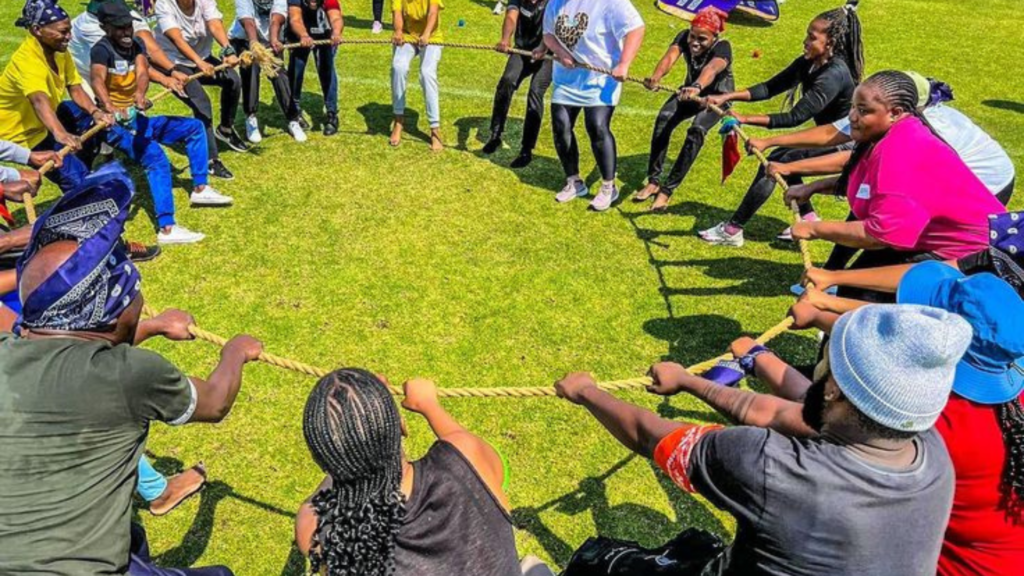
When you present your budget to decision-makers, you need to justify the investment. Here’s how to build a compelling business case for how to budget for a team bonding activity:
1. Connect team bonding to business outcomes. Don’t just say “it will improve morale.” Explain how improved morale leads to better retention, which saves recruitment costs, which protects project continuity, and which improves client satisfaction.
Show specific connections to business priorities. If your company is focused on innovation, explain how team bonding builds the trust that enables creative collaboration. If client service is a priority, show how bonded teams coordinate better to solve client problems.
2. Quantify expected benefits where possible. Research shows teams with strong relationships are 21% more productive, have 37% lower absenteeism, and have 41% lower turnover. Even conservative estimates of these improvements justify significant team bonding investments.
For example: If your 30-person team has average salary costs of N300,000/month, and team bonding improves productivity by just 10%, that’s N900,000/month in additional value. A N1,500,000 team-bonding investment pays for itself in under two months.
3. Compare costs to alternatives. Replacing one team member costs 50-200% of their annual salary when you factor in recruitment, training, and productivity losses. If team bonding prevents one departure, it’s paid for itself many times over.
4. Present options with different investment levels. Don’t just ask for one budget. Show three options – basic, moderate, and comprehensive – with expected outcomes for each. Decision-makers appreciate seeing trade-offs clearly.
5. Reference industry standards. Companies typically spend 1-2% of annual payroll on employee engagement and development. If your proposed team bonding budget falls within this range, it’s defensible as standard business practice.
6. Use past successes. If previous team bonding activities delivered measurable improvements, reference those results. Data from your own organization is most convincing.
7. Show long-term thinking. Present team bonding not as a one-time expense but as a strategic investment in organizational capability that delivers returns over years.
A well-constructed business case transforms team bonding from a “nice to have” into a “strategic investment,” making budget approval much more likely.
When you budget, team bonding matters almost as much as how much you budget. Consider these timing factors:
1. Annual budget cycles. Most companies finalize budgets in Q4 for the following year. Submit team bonding budget requests during this planning cycle rather than asking for ad-hoc approvals later. Planned expenses get approved more easily than surprise requests.
2. Quarterly planning. Even if you secure an annual budget, plan specific activities quarterly. This allows you to learn from each event and adjust subsequent ones based on what worked.
3. Seasonal cost variations. December activities cost more because demand is high. March-April and September-October often have better rates because they’re between peak seasons. Plan major activities during these windows when possible.
4. Lead time for quality. Good team-bonding activities require 6-8 weeks of planning minimum. Last-minute planning forces you to accept whatever’s available rather than getting exactly what you need. Build lead time into your budget planning.
5. Payment schedules. Understand vendor payment terms. Many require deposits (30-50%) weeks before the event, with the balance due shortly after. Ensure your finance department knows these timelines to avoid cash flow problems.
6. Trial and scaling approach. If you’re new to team bonding or have a limited budget, start with smaller pilot activities. Use successful pilots to justify larger budgets for future activities. This de-risks investment for cautious decision-makers.
Understanding how to budget for a team bonding activity is easier with experienced partners who understand Nigerian business realities.
YellowLyfe works with organizations across budget ranges to create impactful team bonding experiences. We help you think strategically about budgeting for maximum ROI.
We offer transparent pricing with a clear breakdown of what you’re paying for. No hidden costs or surprise fees. You know exactly where your money goes and what you’re getting for each naira spent.
Our flexible packages let you choose investment levels appropriate for your budget while maintaining quality. We design basic, moderate, and premium options so you can select what fits your financial reality while still getting genuine value.
YellowLyfe also understand that budgets are tight for many businesses and work creatively to deliver meaningful experiences within whatever constraints you face. Sometimes small budgets still create big impact when spent wisely.
Beyond team bonding activities, YellowLyfe helps with comprehensive workplace culture investments, including corporate gifting ideas for your employees that show ongoing appreciation between major team events. Strategic gifting extends the positive impact of team bonding while fitting smaller ongoing budgets.
We focus on helping businesses invest wisely in team bonding that delivers results and we work within your budget to create experiences that matter, proving that strategic investment in people always pays returns.
Your team is your competitive advantage. Budget for their bonding like the strategic investment it is, and watch your organization’s performance improve as relationships strengthen.


